Designing the Perfect Personalized Produce Boxes: A Step-by-Step Guide
Designing custom produce boxes demands a calculated strategy. Professionals must examine environmental responsibility, functionality, and visual appeal. Selecting the right materials is vital for maintaining quality and promoting eco-friendly practices. Furthermore, size and shape can greatly impact usability and shipping efficiency. Effective visual elements enhance brand recognition, while thorough testing guarantees durability. Grasping these components will reveal key insights into creating standout container strategies that appeal with consumers. What follows is vital to achieving those goals.
Picking the Ideal Materials for Custom Produce Boxes
When selecting materials for read here custom produce boxes, it is essential to review both functionality and environmental impact. The choice of material considerably influences the box's durability, weight, and function to preserve the contents. Common materials include corrugated cardboard, which supplies strength and is able to be recycled, making it a popular choice for sustainability-focused businesses. Decomposable options, such as molded pulp or plant-based plastics, also support eco-friendly practices while offering sufficient protection for delicate produce.
In addition, liquid resistance is indispensable for sustaining product quality, prompting some creators to examine treated materials or tailored protective barriers. The visual quality of the box should not be overlooked, as brand identity and visual communication can influence consumer perception. Ultimately, the optimal choice should maintain proportion between safeguarding products, appealing to customers, and following ecological standards, making sure that effectiveness and environmental consciousness are stressed in the design process.
How to Pick Size and Shape for Performance?
When determining the form and dimensions of custom produce boxes, careful assessment of produce dimensions is crucial for effective storage. Additionally, attention to movement and transportation can affect the box structure, guaranteeing ease of movement. Maximizing shelf space usage further improves functionality, allowing for efficient display and storage.
Evaluate Produce Measurements Carefully
Assessing the suitable size and shape for vegetable boxes is essential for functionality and efficiency. Thorough measurement of product dimensions is critical, as it guarantees that items fit snugly without excess space that could lead to damage during storage or transport. Custom boxes need to accommodate various shapes, from delicate berries to bulky vegetables, while maintaining structural integrity. Furthermore, the depth and height of the boxes should enable stacking and inventory management, making full use of space in storage areas. A well-designed box not only shields the produce but also enhances visual appeal for buyers. To sum up, measured analysis of dimensions assists in reducing waste and improving buyer experience in the product supply chain.
Review Handling and Transport Procedures
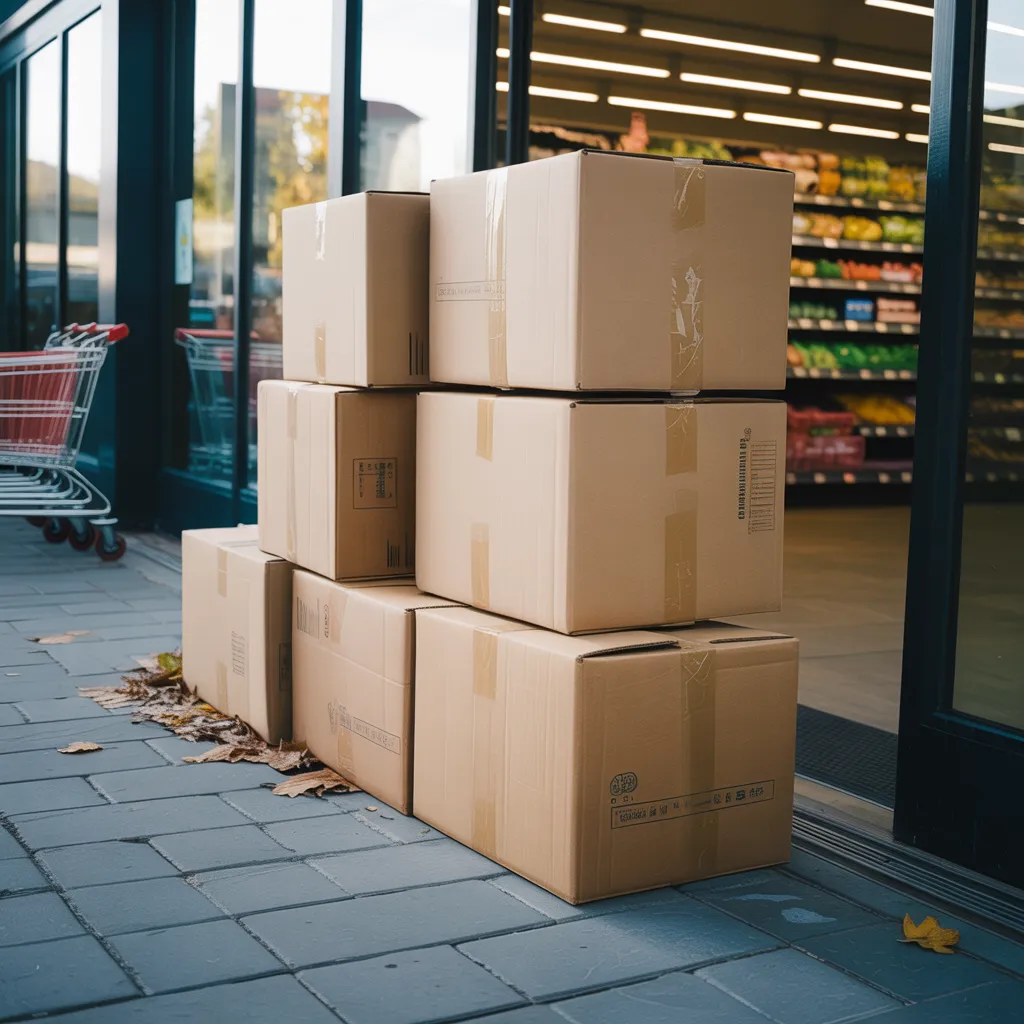
Handling and logistics considerations play a considerable function in ascertaining the appropriate size and contour of tailored produce boxes. The dimensions must accommodate the items without excessive space, which could result in movement and damage during transit. Compact boxes provide easier handling, while larger boxes may be necessary for bulkier items. Moreover, proper ergonomics is critical; grip areas or openings should be positioned deliberately situated to allow for comfortable lifting combined with carrying. The shape of the box likewise influences stacking and balance, confirming that products keep protected. Ultimately, thoughtful review of these considerations enhances the streamlining in shipping, minimizes product damage, plus preserves the overall integrity concerning the agricultural goods from orchard reaching purchaser.
Optimize Storage Space Usage
Proper shelving management is determined by picking the best size and shape of bespoke vegetable packaging. Teams should review the proportions of the display racks as well as the types of produce being stored. Box-shaped boxes often advance space efficiency, facilitating for improved arrangement and fitting. However, varied forms can enhance attractive appearance but may produce unutilized areas if not appropriately mapped out.
It's important to examine the inventory turnover rate; fast-selling items might gain from compact, readily accessible boxes. Moreover, utilizing flexible or customizable designs can support multiple sizes of produce while enhancing display organization. By stressing functionality and aesthetic value, enterprises can establish a practical and eye-catching presentation that improves both accessibility and visibility of goods.
How to Make Graphics That Seize Attention?
Striking graphics can convert a straightforward custom produce box into a artistic creation that grabs attention. To achieve this, designers should begin by choosing a color palette that reflects the crispness and vibrancy of the produce. Bold, eye-catching colors can evoke emotions of freshness and health, driving consumers to take a closer look.
Bold typefaces is also essential; readable typefaces can properly convey crucial details while enhancing visual appeal. Moreover, using high-quality images of the merchandise can build instant rapport, presenting the item's superiority and enticing prospective clients.
Furthermore, incorporating distinctive visual elements and patterns can help set apart the brand in a busy market. Consistency in graphic components, such as logos and taglines, solidifies brand identity. Ultimately, a blend of creativity and clarity in design work can greatly lift the impact of custom produce boxes, making them stand out on shelves.
Eco-Friendly Practices for Custom Produce Box Packaging
An increasing quantity of companies are adopting eco-friendly practices for custom produce box packaging, recognizing its importance in today's environmentally conscious market. These practices often include the use of decomposable materials, such as recycled paper and plant-based plastics, which reduce environmental impact. Companies are also concentrating on responsible material sourcing, guaranteeing that materials are obtained from responsibly managed forests or suppliers who emphasize environmental stewardship.
Also, many brands are choosing simple approaches that reduce waste while still successfully displaying their products. This strategy not only appeals to eco-minded consumers but also helps in decreasing production costs. Moreover, businesses are progressively establishing efficient manufacturing processes that limit energy consumption and waste generation. By adopting these sustainable practices, companies not only improve their brand image but also contribute positively to the planet, matching their operations with a sustainable future.
Assess Your Custom Produce Box Format
Reviewing the design of custom produce boxes is an significant phase in assuring they meet both appearance-based and performance-based standards. This process usually encompasses studying components such as durability, size, and practical use. First, prototypes should be created to inspect the package's structural integrity, ensuring it can withstand transportation and storage without compromising the produce.
Next, usability tests can be conducted to determine how easily the boxes can be opened, closed, and stacked. Feedback from potential users can be invaluable in this stage, providing perspectives into the box's functionality.
Furthermore, the design's visual appeal should be tested through focus groups or surveys, gauging customer responses to brand components, color schemes, and general appearance.
In the end, rigorous testing permits designers to improve the box, guaranteeing it not only appeals to customers but also effectively safeguards and showcases the produce within, striking the right equilibrium between form and function.
Effectively Promoting Your Custom Produce Boxes
Effective marketing of personalized produce boxes requires a well-planned strategy that stresses their distinctive advantages and value. Businesses should focus on identifying their target audience, whether they are local farms, grocery stores, or individual consumers. Utilizing social media platforms can boost brand awareness, displaying the boxes' appearance and functionality through engaging visuals and storytelling.
Additionally, establishing partnerships with local influencers or farmers can enhance credibility and enlarge customer base. Delivering incentives or cost savings during seasonal peaks can win over early customers and support repeat business.
Additionally, highlighting environmental responsibility and green practices in marketing materials can resonate with environmentally conscious consumers. Offering comprehensive details about the materials used and the benefits of tailored packaging solutions can better distinguish the product in a competitive market.
In the end, a thorough promotional strategy that combines digital and community-based programs will efficiently promote custom produce boxes, attracting a diverse clientele and boosting sales.
Often Asked Questions
What Charges Come With Custom Produce Box Planning?
Costs related to custom produce box design include materials, printing, labor, and shipping. Additionally, design services and minimum order quantities can affect overall expenses, leading to varying pricing based on specific requirements and production scale.
What Duration Is Required to Manufacture Tailored Boxes?
The manufacturing of custom boxes typically takes between two to six weeks. Factors affecting this timeline include design complexity, materials availability, and production capacity, all of which can affect shipping timelines and lead times.
May I Submit an Order for a Minimal Quantity of Bespoke Produce Boxes?
Yes, limited amounts of bespoke produce containers can generally be ordered. Many providers extend baseline order amounts, permitting businesses or individuals to acquire tailored packaging solutions without having to dedicate to large amounts from the beginning.
Which Typical Missteps Should Be Avoided in Custom Box Development?
Typical errors in custom box design encompass overlooking functionality, ignoring brand consistency, undervaluing material quality, not considering target audience preferences, and disregarding environmental impact. Each aspect is essential for successful packaging and customer satisfaction.
What Measures Should I Take to Verify My Boxes Are Food-Safe?
To confirm boxes are suitable for food, one needs to select substances qualified for food contact, steer clear of toxic inks and adhesives, maintain cleanliness during production, and periodically assess for compliance with health regulations and safety standards.